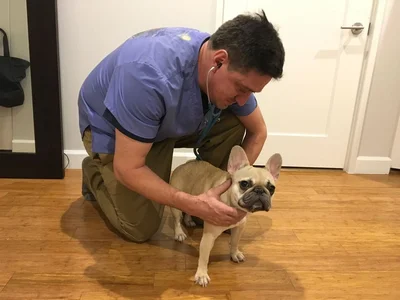
Vaccinations are one of the most important investments you can make in your pet's health. They protect against serious, often life-threatening diseases and contribute to public health by preventing the spread of zoonotic infections. Yet vaccination schedules can feel confusing, with different vets offering slightly different recommendations. This guide breaks down everything you need to know about keeping your pet protected.

How Vaccines Work
Vaccines stimulate the immune system to recognize and fight specific pathogens without causing the actual disease. They contain either weakened or killed versions of viruses or bacteria, or just pieces of the pathogen that trigger an immune response. Once vaccinated, your pet's immune system creates memory cells that can quickly mount a defense if the real pathogen is encountered later.
This is why booster shots are important. Over time, the initial immune response can fade, and boosters remind the immune system to stay vigilant. The timing and frequency of boosters depend on the specific vaccine, your pet's age and health status, and their risk of exposure.
Core vs. Non-Core Vaccines
Core Vaccines for Dogs
Core vaccines are recommended for all dogs regardless of lifestyle or location. These protect against diseases that are widespread, highly contagious, or pose a significant risk to public health:
- Rabies: Required by law in most areas. Rabies is fatal once symptoms appear and can be transmitted to humans. The first vaccine is given at 12-16 weeks, followed by a booster at one year, then every 1-3 years depending on local regulations and the vaccine type used.
- Distemper (CDV): A serious viral illness that affects the respiratory, gastrointestinal, and nervous systems. It has a high mortality rate, especially in puppies. Vaccination begins at 6-8 weeks with boosters every 3-4 weeks until 16 weeks of age.
- Parvovirus (CPV): Highly contagious and often fatal in unvaccinated puppies. It attacks the intestinal lining, causing severe vomiting, bloody diarrhea, and dehydration. The vaccine schedule follows the same timeline as distemper.
- Adenovirus (Hepatitis): Protects against canine hepatitis, which affects the liver, kidneys, and blood vessels. Usually combined with the distemper and parvo vaccines in a combination shot (often called DHPP or DA2PP).
Core Vaccines for Cats
- Rabies: Required by law in most jurisdictions, even for indoor cats. Given at 12-16 weeks with annual or triennial boosters.
- Feline Panleukopenia (FPV): Also known as feline distemper, this highly contagious viral disease has a high mortality rate in kittens. It attacks rapidly dividing cells in the bone marrow, intestines, and developing fetuses.
- Feline Herpesvirus (FHV-1): Causes upper respiratory infections and eye problems. While not always fatal, it can cause chronic issues and the virus stays dormant in recovered cats.
- Feline Calicivirus (FCV): Another cause of upper respiratory disease, along with oral ulcers and occasionally more severe systemic disease. FPV, FHV-1, and FCV are often combined in a single vaccine known as FVRCP.

Non-Core Vaccines
Non-core vaccines are recommended based on your pet's lifestyle, geographic location, and risk factors. Your veterinarian will help determine which ones are appropriate.
For dogs, common non-core vaccines include:
- Bordetella (Kennel Cough): Recommended for dogs that board, attend doggy daycare, visit dog parks, or participate in grooming. Often required by boarding facilities.
- Leptospirosis: Protects against a bacterial infection spread through contaminated water and wildlife urine. Important for dogs that spend time outdoors, especially near water sources.
- Canine Influenza: Two strains (H3N2 and H3N8) cause respiratory illness. Recommended for dogs in areas with outbreaks or those with frequent social contact.
- Lyme Disease: Relevant for dogs living in or traveling to areas with high tick populations. Prevention also includes tick control products.
For cats, non-core vaccines include:
- Feline Leukemia Virus (FeLV): Recommended for all kittens and for adult cats that go outdoors or live with FeLV-positive cats. The virus suppresses the immune system and can cause cancer.
- Feline Immunodeficiency Virus (FIV): Available but less commonly recommended. Discuss with your vet if your cat is at risk through outdoor access or fighting.
Vaccination Schedule for Puppies
Puppies receive maternal antibodies through their mother's milk, which provide temporary protection during the first weeks of life. As these antibodies wane, puppies become vulnerable, which is why the vaccination series begins early:
- 6-8 weeks: First DHPP (Distemper, Hepatitis, Parainfluenza, Parvovirus)
- 10-12 weeks: Second DHPP, Bordetella (if lifestyle requires), Leptospirosis first dose
- 14-16 weeks: Third DHPP, Rabies, Leptospirosis second dose
- 1 year: DHPP booster, Rabies booster
- Every 1-3 years: DHPP and Rabies boosters as recommended
Vaccination Schedule for Kittens
- 6-8 weeks: First FVRCP (Panleukopenia, Rhinotracheitis, Calicivirus)
- 10-12 weeks: Second FVRCP, FeLV first dose (if at risk)
- 14-16 weeks: Third FVRCP, Rabies, FeLV second dose
- 1 year: FVRCP booster, Rabies booster, FeLV booster
- Every 1-3 years: FVRCP and Rabies boosters as recommended
Common Concerns About Vaccination
Are Vaccines Safe?
Vaccines are among the safest medical interventions available. Most pets experience no side effects at all. Some may have mild, temporary reactions such as slight fever, reduced appetite, or soreness at the injection site. Serious allergic reactions are extremely rare, occurring in fewer than 1 in 10,000 vaccinated animals.
Can My Indoor Cat Skip Vaccines?
Even indoor cats should receive core vaccines. Rabies vaccination is legally required in most areas regardless of indoor status. Indoor cats can still be exposed to pathogens through open windows, escaped trips outdoors, contact with other animals, or even on your shoes and clothing. Maintaining core vaccinations provides essential protection.
What About Over-Vaccination?
Modern vaccination protocols have evolved significantly. Most veterinarians now follow guidelines that recommend three-year intervals for many adult boosters rather than annual revaccination. Titer testing, which measures antibody levels in the blood, can help determine if your pet still has adequate protection and may allow for longer intervals between some vaccines.
Working With Your Veterinarian
Your veterinarian is your best resource for creating a personalized vaccination plan. They will consider your pet's age, breed, health status, lifestyle, and local disease prevalence when making recommendations. Keep a record of all vaccinations, and bring this to every vet visit to ensure nothing is missed or duplicated.
Vaccination is a simple, effective way to give your pet the best chance at a long, healthy life. By following the recommended schedule and maintaining open communication with your vet, you are providing your companion with protection against some of the most serious threats they may face.