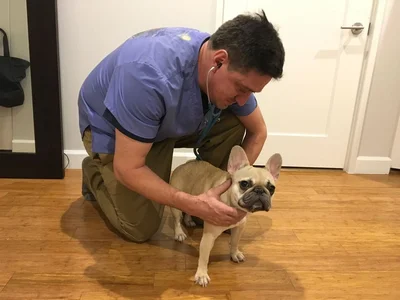
Most pet owners are diligent about feeding their animals well, keeping them active, and scheduling regular checkups. Yet one of the most overlooked aspects of pet health is dental care. According to veterinary studies, more than 80 percent of dogs and 70 percent of cats show signs of dental disease by age three. Left untreated, poor dental health can lead to pain, infection, and even organ damage.

Why Dental Health Matters for Pets
Your pet's mouth is the gateway to the rest of their body. Bacteria from infected gums and teeth can enter the bloodstream and travel to major organs, including the heart, kidneys, and liver. This condition, known as bacteremia, can cause serious systemic infections that threaten your pet's life. Veterinary dentistry has advanced significantly, and today we understand that maintaining oral health is just as important for pets as it is for humans.
Beyond the systemic risks, dental disease causes significant pain. Pets are instinctively good at hiding discomfort, which means by the time you notice symptoms, the problem may already be advanced. Dogs and cats with dental pain may eat less, lose weight, drool excessively, or become withdrawn. Regular dental checkups help catch these issues early, before they become painful or dangerous.
Common Dental Problems in Dogs and Cats
Periodontal Disease
This is the most common dental condition in pets. It begins with plaque buildup on the teeth, which hardens into tartar if not removed. Tartar pushes below the gum line, causing inflammation (gingivitis) and eventually destroying the tissue and bone that support the teeth (periodontitis). In severe cases, teeth become loose and fall out, and the infection can spread to the jawbone.
Tooth Fractures
Dogs are particularly prone to cracked or broken teeth from chewing on hard objects like bones, antlers, or ice cubes. A fractured tooth exposes the sensitive pulp inside, leading to pain and infection. If you notice a broken tooth, visit your veterinarian promptly. Treatment may involve extraction or a root canal procedure.
Tooth Resorption
This condition primarily affects cats and involves the gradual destruction of tooth structure from the inside. The exact cause is unknown, but it is extremely painful. Affected cats may drool, have difficulty eating, or paw at their mouths. The only effective treatment is extraction of the affected teeth.
Stomatitis
Stomatitis is severe inflammation of the mouth and gums that goes beyond typical gingivitis. It is more common in cats and can be associated with immune system disorders. Cats with stomatitis may have bright red, swollen gums and may refuse to eat. Treatment often involves full-mouth extractions in severe cases, along with anti-inflammatory medications.
Signs Your Pet May Have Dental Problems
Watch for these warning signs that suggest your pet needs a dental evaluation:
- Bad breath: While not all pet breath smells like roses, a foul or unusually strong odor can indicate infection or decay
- Red or swollen gums: Healthy gums should be pink and firm, not red, puffy, or bleeding
- Difficulty eating: Dropping food, chewing on one side, or refusing hard kibble may signal mouth pain
- Excessive drooling: More saliva than usual, especially if tinged with blood, warrants investigation
- Pawing at the mouth: This is a clear sign of oral discomfort
- Loose or missing teeth: Adult pets should not be losing teeth
- Bumps or growths: Any unusual lumps in or around the mouth should be examined
- Behavioral changes: Irritability, reluctance to play, or hiding can all be responses to chronic pain

Professional Dental Cleaning: What to Expect
A professional dental cleaning, also called a dental prophylaxis, is performed under general anesthesia. This allows the veterinarian to thoroughly examine every tooth, clean below the gum line, and take dental X-rays to assess the roots and jawbone. Many owners worry about anesthesia, but modern protocols are very safe, especially with proper pre-anesthetic blood work and monitoring.
During the procedure, the veterinary team will scale the teeth to remove tartar, polish the enamel to slow future plaque buildup, and probe around each tooth to check for pockets of infection. If any teeth are severely damaged, fractured, or loose, the veterinarian may recommend extraction. After the cleaning, your pet will recover in a monitored area before going home, usually the same day.
Most veterinarians recommend annual dental cleanings for adult pets, though some breeds or individual animals may need more frequent care. Small dog breeds, for instance, are more prone to dental disease because their teeth are crowded in smaller jaws.
Home Dental Care: Building a Routine
Brushing Your Pet's Teeth
Daily brushing is the gold standard of home dental care. Use a pet-specific toothbrush and enzymatic toothpaste designed for animals. Never use human toothpaste, as it contains fluoride and foaming agents that are harmful if swallowed.
Start slowly, especially if your pet is not used to having their mouth handled. Begin by letting them taste the toothpaste, then gently rub your finger along their gums. Gradually introduce the toothbrush, focusing on the outer surfaces of the teeth where plaque accumulates most. Even 30 seconds of brushing a few times a week is better than nothing.
Dental Chews and Treats
Look for products carrying the Veterinary Oral Health Council (VOHC) seal of acceptance. These have been tested and proven to reduce plaque or tartar. Dental chews work by mechanically scraping the teeth as your pet chews. They are a helpful supplement to brushing but should not replace it entirely.
Water Additives and Dental Diets
Some water additives contain enzymes or antimicrobial agents that help reduce plaque in your pet's mouth. Prescription dental diets are also available for dogs and cats. These kibbles are specially formulated with a larger size and fibrous texture that scrubs the teeth during chewing.
Dental Toys
Certain toys are designed to promote dental health. Rubber toys with textured surfaces can massage the gums and help remove plaque. Avoid toys that are too hard, as they can crack teeth. A good rule of thumb is that if you cannot indent the toy with your fingernail, it is too hard for your pet's teeth.
The Cost of Dental Care
Professional dental cleanings typically range from $200 to $800 depending on your location, the size of your pet, and whether extractions are needed. While this may seem expensive, treating advanced dental disease is far more costly and painful. Prevention truly is the best medicine. Some veterinary clinics offer dental discount months, often in February during National Pet Dental Health Month, so ask your vet about special pricing.
Pet insurance can help cover dental procedures, though coverage varies by plan. Many policies cover dental cleanings and extractions related to injury or illness, so check your policy details or consider adding dental coverage when choosing a plan.
When to See Your Veterinarian
Beyond regular annual exams and cleanings, schedule a dental visit if you notice any of the warning signs mentioned above. Early intervention prevents minor issues from becoming major procedures. Your veterinarian can assess your pet's dental health during routine wellness visits and recommend a customized care plan based on their individual needs.
Remember, your pet relies on you to maintain their dental health. By combining regular professional care with a consistent home routine, you can help ensure your furry friend keeps their bright smile and stays healthy for years to come.