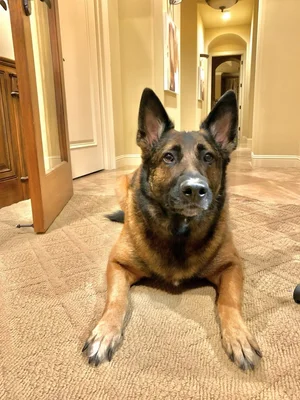
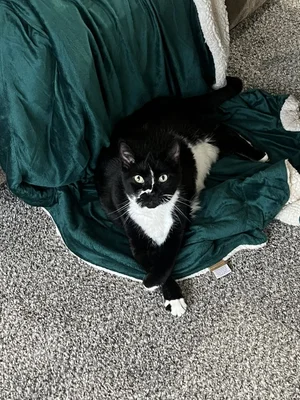
Watching your pet grow older is bittersweet. The energetic puppy who once tore through the house has slowed down, and the agile kitten now prefers a sunny spot on the couch. While aging is natural, understanding the changes your senior pet goes through and adapting their care accordingly can help them remain comfortable, happy, and healthy well into their golden years.

When Is My Pet Considered a Senior?
The age at which a pet becomes a senior varies by species and size. Generally, cats and small dogs (under 20 pounds) are considered senior around age 10-12. Medium dogs (20-50 pounds) reach senior status around 8-10 years. Large and giant breed dogs (over 50 pounds) age faster and are considered senior by 6-8 years. These are guidelines rather than rules; your veterinarian can help you assess where your individual pet falls.
Understanding your pet's life stage helps you anticipate health changes and adjust care proactively rather than reactively. Many conditions common in senior pets respond much better to early intervention.
Common Health Issues in Senior Pets
Arthritis and Joint Disease
Osteoarthritis is one of the most prevalent conditions in aging pets, affecting an estimated 80 percent of dogs over age 8 and 90 percent of cats over age 12. Signs include stiffness after resting, reluctance to jump or climb stairs, decreased activity, limping, and difficulty getting into comfortable positions. Cats may stop using higher perches, groom less, or have accidents outside the litter box because getting in and out is painful.
Treatment options include anti-inflammatory medications, joint supplements (glucosamine and chondroitin), omega-3 fatty acids, physical therapy, acupuncture, laser therapy, and environmental modifications like ramps and orthopedic beds. Weight management is crucial, as excess weight puts additional stress on already painful joints.
Cognitive Dysfunction
Similar to dementia in humans, cognitive dysfunction syndrome (CDS) affects many senior pets. Dogs may become disoriented in familiar places, stare at walls, forget house training, have disrupted sleep-wake cycles, or seem less interested in interaction. Cats may vocalize excessively at night, wander aimlessly, or forget the location of their litter box.
While there is no cure, certain diets enriched with antioxidants and medium-chain triglycerides, mental enrichment activities, and some medications can slow the progression. Environmental consistency and routine become especially important for pets with cognitive changes.
Kidney Disease
Chronic kidney disease is extremely common in older cats, with studies suggesting that more than half of cats over age 15 have some degree of kidney insufficiency. Dogs are also affected, though less frequently. Early signs include increased thirst and urination, weight loss, decreased appetite, and vomiting. Regular blood work and urinalysis can detect kidney disease early, when management through diet, hydration therapy, and medication is most effective.
Heart Disease
Heart conditions become more prevalent with age. Small breed dogs are prone to mitral valve disease, while large breeds may develop dilated cardiomyopathy. Cats most commonly develop hypertrophic cardiomyopathy. Signs of heart disease include coughing (mainly in dogs), difficulty breathing, exercise intolerance, fainting episodes, and fluid accumulation in the abdomen. Regular veterinary exams with chest auscultation help catch heart murmurs and rhythm abnormalities early.
Cancer
Cancer is the leading cause of death in dogs over age 10 and is common in older cats as well. Types vary widely, from relatively benign skin masses to aggressive internal cancers. Regular physical examinations help detect lumps, bumps, and other abnormalities early. Any new mass, unexplained weight loss, changes in appetite, or persistent lameness in a senior pet should be investigated promptly.
Dental Disease
Years of wear and accumulation take their toll on teeth and gums. Senior pets may have significant tartar buildup, loose teeth, or oral infections. Dental disease can cause pain that affects eating and behavior, and oral bacteria can spread to major organs. Regular dental cleanings become even more important in senior pets, though anesthesia protocols may need to be adjusted for older patients.
Vision and Hearing Loss
Gradual loss of vision and hearing is common in aging pets. Nuclear sclerosis, a normal aging change in the lens that gives the eyes a cloudy appearance, is often mistaken for cataracts. True cataracts can impair vision significantly and may require surgical treatment. Hearing loss is usually gradual, and many owners do not notice until it is advanced. Pets adapt remarkably well to sensory changes, especially in familiar environments.
Nutrition for Senior Pets
Dietary needs change as pets age. Senior pets typically require fewer calories because their metabolism slows and activity decreases. However, they may need higher quality protein to maintain muscle mass, increased fiber for digestive health, and specific nutrients to support joint, brain, and organ function.
Many pet food manufacturers offer senior-specific formulas, but not all are created equal. Your veterinarian can recommend a diet tailored to your pet's specific health conditions. For pets with kidney disease, phosphorus-restricted diets are essential. For those with heart disease, sodium restriction may be recommended. Pets with arthritis benefit from foods enriched with omega-3 fatty acids and joint-supporting nutrients.
Monitor your senior pet's weight closely. Both obesity and unintended weight loss are concerning. Weigh your pet monthly and track changes. Sudden weight loss should always prompt a veterinary visit.
Exercise and Enrichment
Senior pets still need regular exercise, but the intensity and duration should be adjusted. Shorter, more frequent walks are better than long hikes for dogs with arthritis. Swimming is an excellent low-impact exercise option. For cats, interactive play sessions with wand toys or laser pointers (used responsibly) help maintain mobility and mental sharpness.
Mental enrichment is equally important. Puzzle feeders, new smells to investigate, gentle training sessions, and social interaction all help keep your senior pet's mind active. Cognitive stimulation may slow the progression of cognitive dysfunction and improve overall quality of life.
Environmental Modifications
Simple changes to your home can make a significant difference in your senior pet's comfort:
- Orthopedic beds: Memory foam beds support arthritic joints and make resting more comfortable
- Ramps and steps: Help pets access furniture, cars, and raised feeding stations without jumping
- Non-slip surfaces: Rugs or yoga mats on slippery floors prevent painful slips and falls
- Raised food and water bowls: Reduce neck strain during eating and drinking
- Extra litter boxes: Place them on every floor for cats who struggle with stairs
- Night lights: Help pets with declining vision navigate at night
- Easier access to outdoors: Low-threshold doorways or pet doors for dogs who need frequent bathroom breaks
Veterinary Care for Senior Pets
The standard recommendation for senior pets is twice-yearly veterinary examinations rather than annual visits. These more frequent checkups allow for earlier detection of age-related changes. Your veterinarian will likely recommend regular blood work, urinalysis, and possibly blood pressure monitoring, thyroid screening (especially for cats), and other diagnostics based on your pet's individual risk factors.
Do not attribute changes in your pet's behavior simply to old age. Symptoms like decreased activity, changes in appetite, or altered bathroom habits often have treatable underlying causes. Pain management, in particular, has advanced significantly, and there is no reason for your senior pet to suffer in silence.
Quality of Life Considerations
As your pet ages, you may eventually face difficult decisions about their care. Quality of life assessments look at factors like pain levels, mobility, appetite, hydration, hygiene, happiness, and the balance of good days versus bad days. Your veterinarian can help you evaluate these factors objectively and guide you through end-of-life decisions with compassion.
The senior years can be some of the most rewarding. Older pets are often calmer, more affectionate, and deeply bonded with their families. By providing attentive care, regular veterinary checkups, and a comfortable environment, you can help your aging companion enjoy their golden years to the fullest.